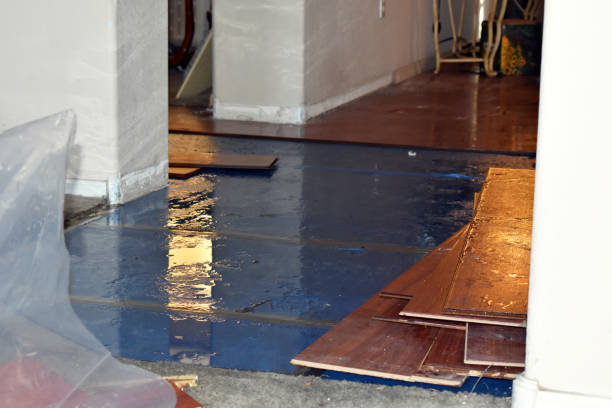
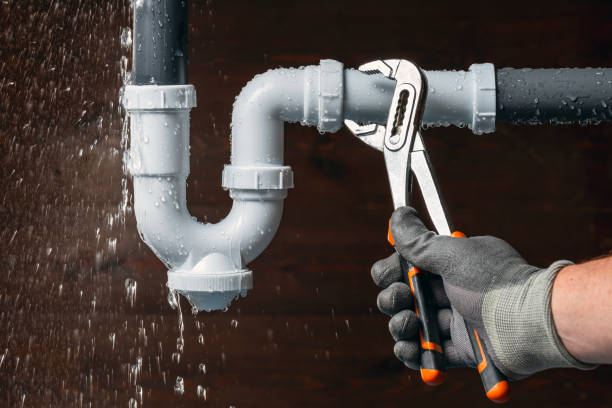
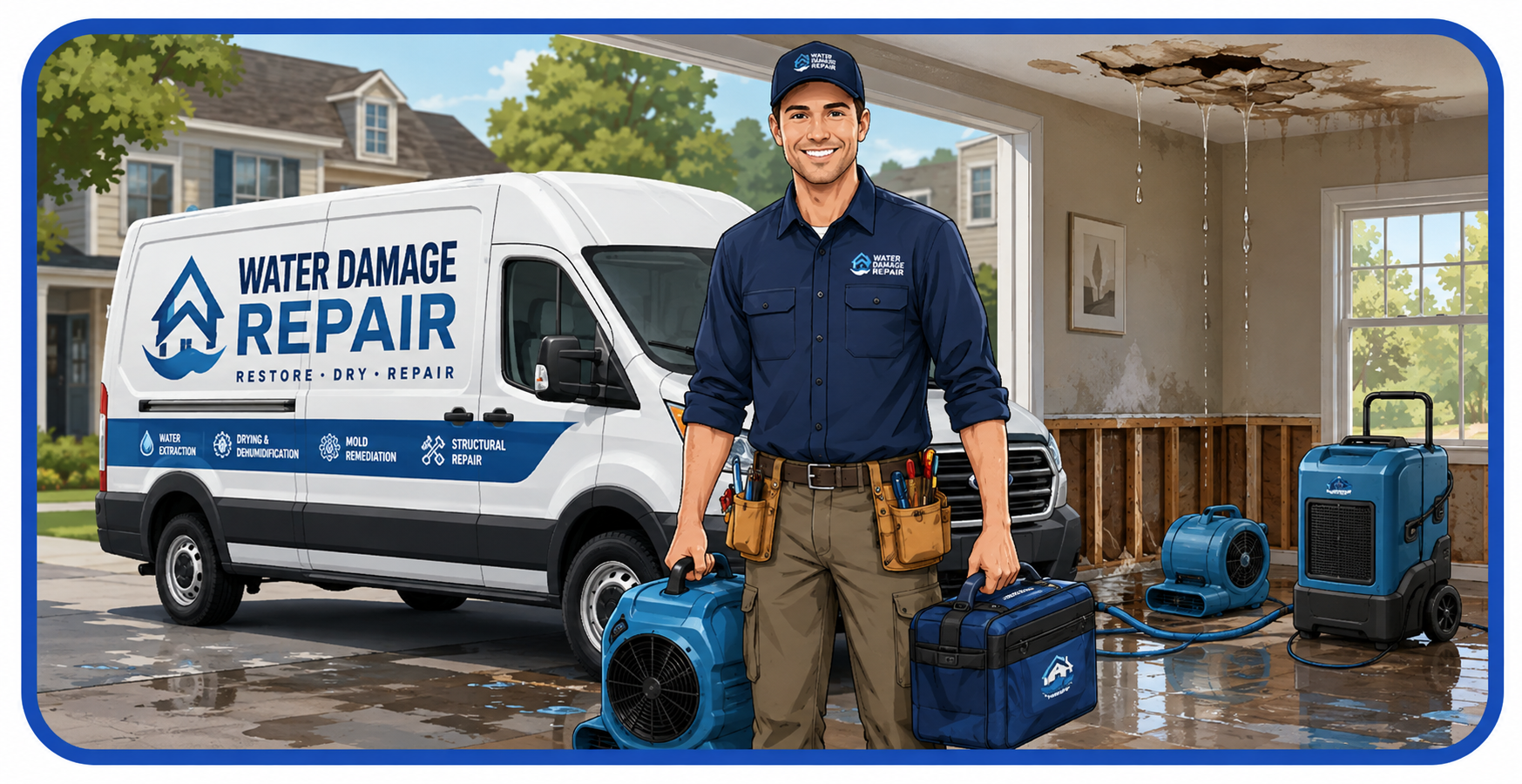
There's a specific kind of dread that comes with standing water spreading across a Washington living room floor. We're built to shorten that window between the panic and the fix.
Call +1-844-578-1604
Avg. arrival under 60 minutes in Washington
Written estimate, no hidden line items
IICRC-certified technicians on every truck

We run our Washington operation on IICRC-certified technicians and commercial-grade equipment, not a subcontractor list we pull from when the phone rings.
Our Washington dispatch desk is staffed around the clock by people, not an automated queue, which matters most at exactly the hour you're calling.
We also keep documentation formatted the way insurance adjusters actually want to see it, since most of our jobs end up crossing an adjuster's desk at some point.
Water damage rarely starts as a dramatic flood — it usually starts small, and these are the signs worth acting on before the damage spreads further.
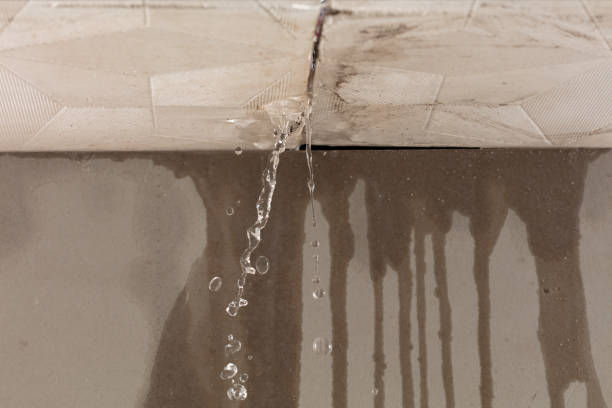
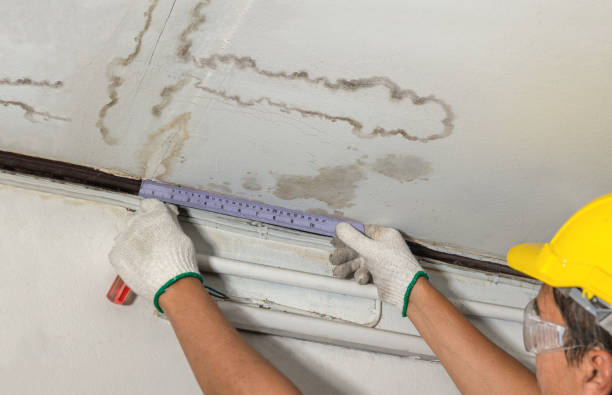
Repainting over a recurring ceiling stain treats the symptom, not the leak still feeding it from above or behind the surface. The stain returning is the actual diagnosis.
A musty note that wasn't there a season ago usually means microbial growth has started somewhere behind a wall or under flooring, well before you can see anything.
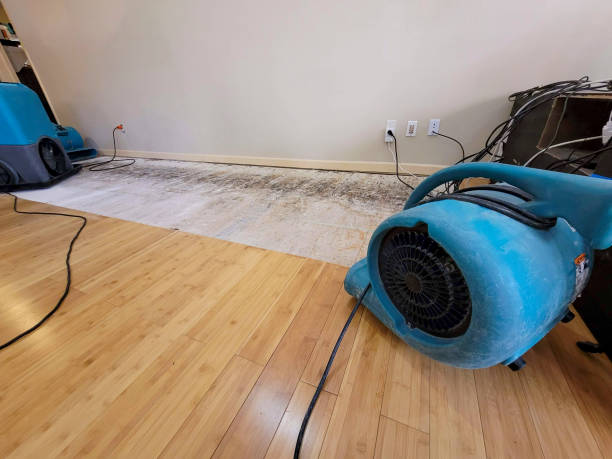
Flooring that shifts slightly when you walk on it, even subtly, is worth a moisture reading before it gets worse.
Catching a hidden leak through the water bill is far cheaper than waiting for it to surface as a flooded room.
Bubbling paint near a baseboard or exterior wall usually means moisture is pushing through from behind rather than a simple application defect.
Mold that returns after a bleach cleaning is a sign the moisture source behind it was never actually addressed.
If more than one of these sounds familiar, it's worth a professional moisture check sooner rather than later.
Treating Water Removal as a single continuous job, rather than a series of handoffs, is what keeps timelines shorter and documentation consistent.
Every service below gets the same documentation standard, whether it's a single wet closet or a full commercial loss.
We treat extraction speed as the single biggest variable we control — every additional hour of standing water raises the odds of secondary damage.
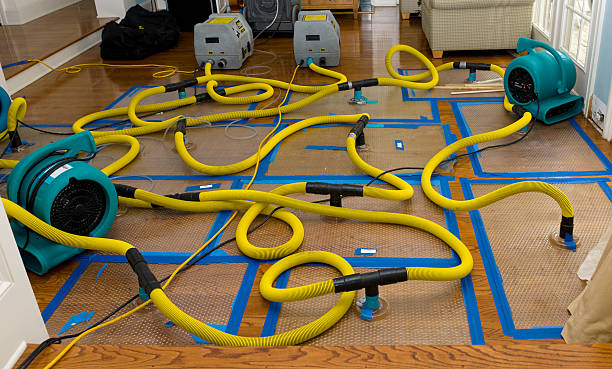
Air movers and dehumidifiers get placed according to psychrometric readings taken at assessment, not a default layout used on every job regardless of conditions.
Our sewage cleanup protocol follows IICRC S500 guidelines start to finish, including isolation of the affected zone and disposal documentation.
We treat the 48-hour mold window as a deadline for our own drying timeline, not a talking point.
Reconstruction starts from the actual drying documentation, not a fresh guess, which keeps the repair scope accurate.
We inventory and relocate contents that need to leave the affected area, then coordinate their return once the space is verified dry.


Four steps, no guesswork — here's exactly what happens between your call and a verified-dry structure.
Real person, real questions, fast routing — the goal is getting a truck moving within minutes of hanging up.
Photo and moisture documentation happens before any equipment gets touched, which protects your insurance claim later.
Equipment placement follows the specific psychrometric numbers from assessment, not a generic pattern used on every job.
Every affected area gets re-tested before we call the job complete — no shortcuts on the sign-off.
None of these four things matter in isolation — it's the combination of licensing, speed, honest pricing, and a real guarantee that actually changes the outcome of a water emergency.
We'll show you the credentials before we show you the invoice, if that's what puts you at ease.
A nearby crew isn't a slogan — it's the gap between drying equipment running in an hour versus half a day.
The number we quote is the number you pay, regardless of how long the drying cycle runs.
If a drying target isn't hit on schedule, equipment stays on-site at no extra charge until the readings confirm it's dry.
Every job closes with documented moisture verification, because a promise without data behind it isn't much of a promise.
Technicians aren't rewarded for closing jobs quickly, which keeps the incentive pointed at actually finishing the drying right.
Call +1-844-578-1604Our Washington service radius covers 4574, with trucks positioned to reach any address quickly, not just the neighborhoods closest to a single office.
We track call patterns by zip code across Washington to keep crew staffing matched to where emergencies actually happen.

"Our water heater gave out overnight and by the time I found the pool of water it had already crept under the cabinets. The crew here in Washington had it extracted and drying equipment running before I finished my coffee."
Renee A., Washington"The daily moisture log gave me something concrete to look at instead of just being told to trust the process."
Owen D., Washington"They didn't cut corners on the sanitization step even though it clearly slowed them down — with two kids in the house, that mattered to us."
Fatima J., Washington"The reconstruction crew matched our original flooring almost exactly after the repair — you'd never guess there was ever a leak."
Lucas P., Washington"The thermal scan caught damage behind a cabinet that could have turned into a much bigger mold problem if it went unnoticed."
Grace T., Washington"Our office flooded overnight and industrial equipment was already running before our staff arrived for the morning shift."
Nathaniel W., Washington"The technician explained exactly which boards needed to go and which tested dry enough to keep, so we didn't overpay for the repair."
Bianca H., Washington"They explained the crawl space drainage issue in plain terms instead of technical jargon, and fixed it on the spot rather than scheduling a separate trip."
Derek S., Washington"They found the actual source of the leak instead of just drying the surface damage, which saved us from the same problem happening again in a month."
Melissa C., Washington"Being out of town when it happened was stressful enough — having a crew that could work directly with our property manager made it manageable."
Victor N., Washington